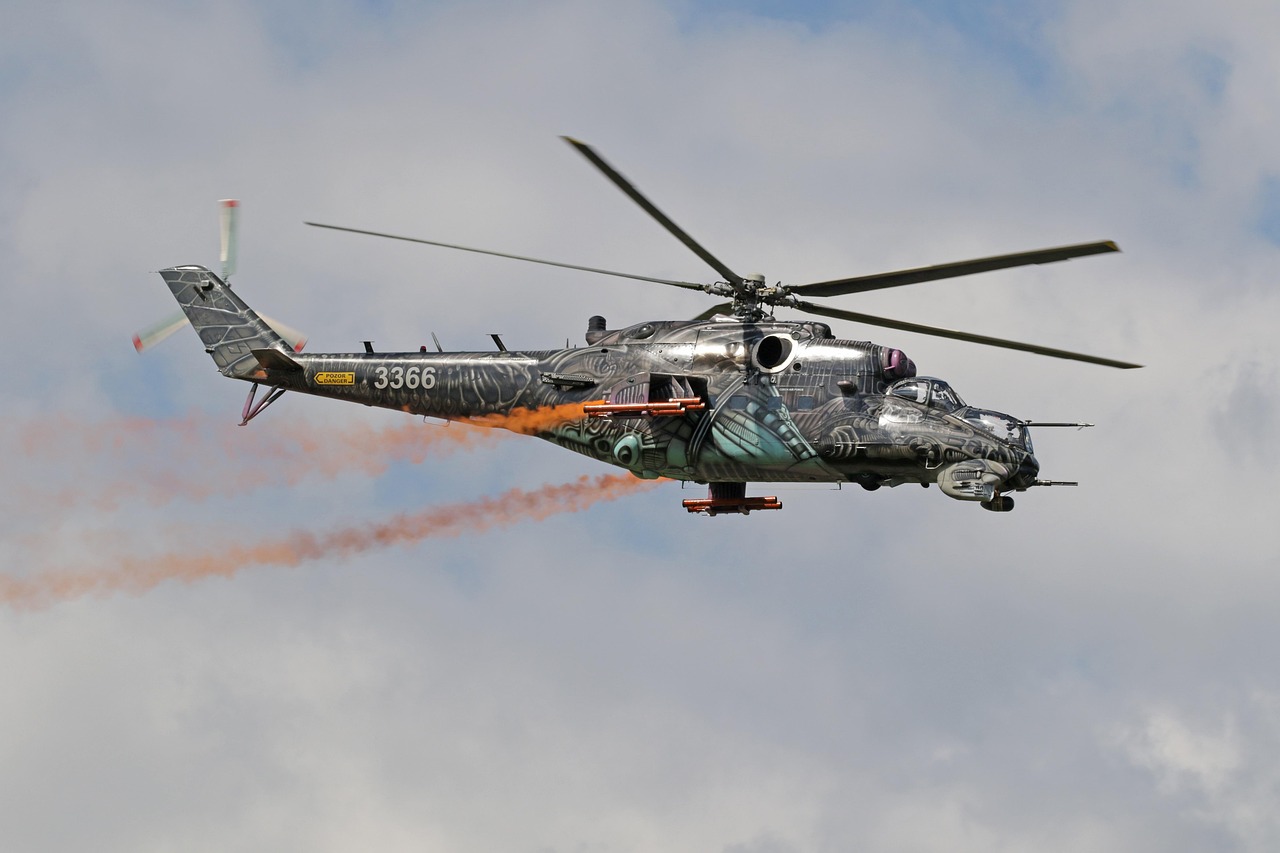
Helicopter fuel systems are critical components that enable pilots to navigate challenging conditions, ensuring safety and mission success. This article delves into the intricate design, functions, and advancements that make these systems indispensable for helicopters operating in diverse environments.
Introduction: The Vital Role of Helicopter Fuel Systems
In the dynamic world of aviation, helicopters stand out for their versatility and ability to operate in various terrains and conditions. However, their success hinges on robust fuel systems that deliver reliable and efficient power. This article explores the intricate mechanisms behind helicopter fuel systems and how they contribute to pilot safety during critical missions. By understanding these systems, we gain insights into one of the key enablers of modern helicopter operations.
Understanding Helicopter Fuel Systems: An Overview
What is a Helicopter Fuel System?
A helicopter's fuel system is a complex network designed to store, manage, and deliver fuel to the engine(s). It consists of various components working in harmony to ensure optimal performance and safety. The primary objectives are to prevent fuel contamination, maintain pressure, and facilitate easy access for refuelling.
Key Components: Making Up the System
- Fuel Tanks: These are the storage units, typically located under the helicopter's hull or integrated into the airframe. They are designed for strength and durability to withstand the forces of flight.
- Fuel Lines and Pipes: A network of flexible and rigid pipes connects fuel tanks to the engine(s). These lines ensure a consistent supply of fuel throughout the aircraft.
- Fuel Pumps: Essential for pressurizing and delivering fuel, these pumps maintain the required flow rate and pressure for efficient combustion.
- Filters: To prevent contamination, fuel filters trap impurities, ensuring clean fuel reaches the engine. Regular filter changes are crucial for system health.
- Fuelling Equipment: This includes components for refuelling at airports or helipads, such as fuelling probes and valves, ensuring a safe and efficient transfer of fuel.
The Critical Functions of Helicopter Fuel Systems
1. Reliable Power Delivery
The primary function is to supply fuel consistently to the engine(s), enabling smooth and powerful flight. This reliability is crucial for pilots operating in demanding environments, where unexpected power demands can arise due to sudden weather changes or terrain variations.
2. Safety Through Redundancy
Modern helicopter fuel systems incorporate redundancy to mitigate risks. For instance, dual fuel lines and pumps ensure that even if one component fails, the other can continue delivering fuel, providing a safety net for pilots. This redundancy is vital during long-duration flights or in remote areas where immediate repairs may be challenging.
3. Contamination Prevention
Contaminated fuel can cause severe engine damage. Therefore, these systems employ filters and regular maintenance routines to prevent contamination. This includes checking for water, sediment, or other impurities that might enter the fuel lines.
4. Pressure Regulation
Maintaining the right fuel pressure is essential for optimal engine performance. Fuel pumps and regulators work together to ensure a consistent pressure level, allowing engines to operate efficiently across various altitudes and temperatures.
Advancements in Helicopter Fuel System Technology
1. Lightweight Materials
One significant development is the use of lightweight materials, such as composite plastics and advanced metals, which reduce overall aircraft weight. This is crucial for improving fuel efficiency and extending range, benefits that directly impact pilot safety by providing more options during critical situations.
2. Smart Fuel Management Systems
Helicopter manufacturers are integrating intelligent systems that monitor fuel levels, pressure, and temperature in real time. These systems can predict fuel consumption patterns, optimize engine performance, and alert pilots to potential issues, enhancing overall flight safety.
3. Remote Monitoring and Diagnostics
Modern technology allows for remote monitoring of fuel systems, enabling maintenance teams to identify potential problems before they affect flight safety. This proactive approach to maintenance ensures that helicopters are always in optimal condition.
Handling Emergency Situations: The Role of Fuel Systems
In critical conditions, such as engine failures or emergency landings, the fuel system's design plays a vital role in pilot safety:
- Controlled Engine Shutdown: In case of an emergency, pilots can shut down engines safely, knowing that the fuel system will prevent fuel starvation and reduce the risk of post-impact fires.
- Emergency Landing Options: With reliable fuel management, helicopters can glide for extended periods, giving pilots more time to assess options and choose a safe landing site.
- Fire Prevention: Properly maintained fuel systems minimize the risk of post-crash fires by reducing fuel spillage and ensuring efficient combustion.
Maintenance and Safety Considerations
Regular Inspection and Servicing
To ensure optimal performance and safety, helicopter fuel systems require regular inspection and maintenance:
- Visual Checks: Inspecting fuel lines for cracks, corrosion, or damage is crucial. Any visible issues should prompt further investigation.
- Pressure Testing: Regular pressure testing ensures that fuel systems maintain the required pressure levels.
- Filter Changes: Frequent filter changes are essential to prevent contamination and ensure efficient fuel flow.
- System Flushes: Periodically flushing the system helps remove any accumulated contaminants.
Training for Pilots
Pilot training plays a significant role in fuel system safety:
- Understanding System Layout: Pilots should be familiar with the fuel system's layout, including the location of components and potential problem areas.
- Emergency Procedures: Comprehensive training on emergency fuel management procedures ensures pilots are prepared for critical situations.
- Pre-Flight Checks: Rigorous pre-flight inspections by pilots can identify potential fuel system issues before takeoff.
Conclusion: Safeguarding Missions with Advanced Fuel Systems
Helicopter fuel systems have evolved to meet the demanding needs of modern aviation, ensuring safe and efficient operations. Through advanced technology, lightweight materials, and rigorous maintenance practices, these systems provide the reliable power and safety nets required for pilots navigating diverse environments. As helicopter technology continues to progress, ongoing research and development will further enhance fuel system capabilities, ultimately contributing to safer and more successful missions.
FAQ
How do helicopter fuel systems handle varying altitudes and temperatures?
These systems use pressure regulators to maintain consistent fuel pressure across different altitudes and temperatures. This ensures optimal engine performance regardless of external conditions, which is crucial for safe flight at high elevations or in extreme climates.
What should pilots do if they suspect a fuel system issue?
If a pilot suspects any problem with the fuel system, immediate action is required. They should follow emergency procedures, including shutting down engines (if safe to do so), initiating an emergency descent, and preparing for a potential landing. Contacting air traffic control for assistance is also vital.
How often should helicopter fuel systems be serviced?
Service intervals depend on various factors, including flight hours, environmental conditions, and operational demands. However, regular inspections and servicing every 100-200 flight hours (or as recommended by manufacturers) are best practices to ensure optimal system health and safety.
Can advanced fuel systems enhance a helicopter's range?
Absolutely. Lightweight materials and efficient fuel management systems contribute to reduced overall aircraft weight and improved fuel efficiency, extending the helicopter's operational range without compromising performance or safety.
What is the primary goal of regular fuel system maintenance?
The primary objective is to prevent failures and ensure reliable performance during critical flights. Regular maintenance identifies and rectifies issues before they become serious, enhancing pilot safety and mission success.